Environmental & Water
Trace metals, mercury, PFAS and VOCs in water, soil and waste.
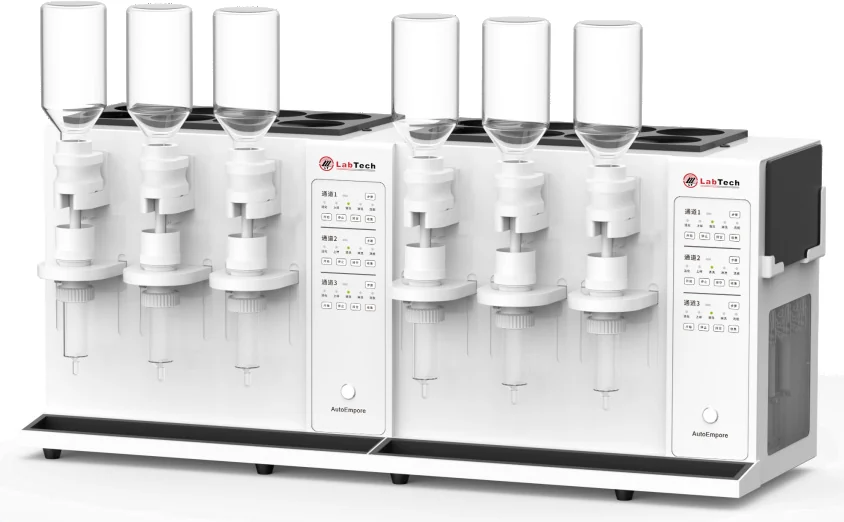
The workflow
Environmental laboratories face two pressures at once: lower regulatory limits and higher sample loads. Both are decided upstream of the instrument — in digestion, extraction and clean-up.
LabTech supplies that upstream chain and the detectors that follow it: single-chamber microwave digestion for soils and sludges, direct mercury analysis without sample preparation, large-volume membrane SPE for PFAS, purge-and-trap for VOCs, and ICP-MS for trace elements in the same workflow.
What makes it difficult
- Digesting soil, sediment and sludge completely enough to release refractory metals
- Keeping mercury from being lost or carried over between samples
- Handling large water volumes for trace organic enrichment without blocking the cartridge
- Meeting reporting limits without increasing acid consumption or labor
Typical samples
Recommended systems
Microwave Digestion · Mercury Analysis · Solid-Phase Extraction · GC Front-End Systems · ICP-MS
Step by step
How the sample moves.
Digest solids
Single-chamber microwave digestion handles soil, sediment and sludge in one vessel, with 2–3 mL of acid.
Microwave Digestion →Extract organics
Accelerated solvent extraction for semi-volatiles, or large-volume membrane SPE for PFAS and pesticides.
Accelerated Solvent Extraction →Concentrate
Parallel vacuum concentration to a defined final volume, without cross-contamination.
Vacuum Concentration →Measure
ICP-MS for trace elements, DMA-80 evo for mercury, GC front-end systems for VOCs and SVOCs.
ICP-MS →Systems
Recommended for Environmental & Water.
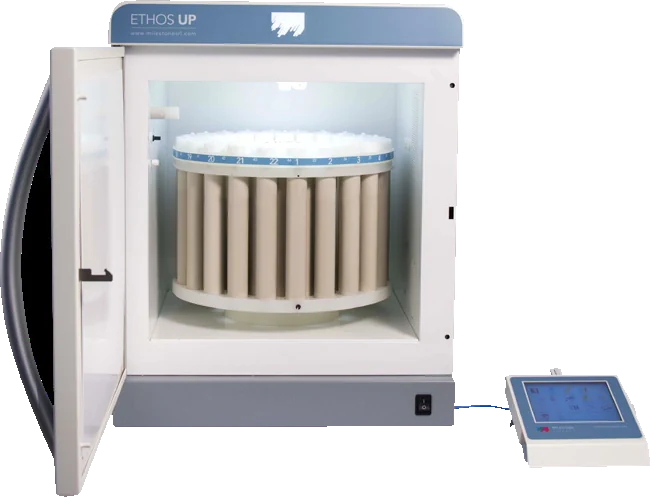
One pressurized chamber at 300 °C and 200 bar, with no vessel assembly.
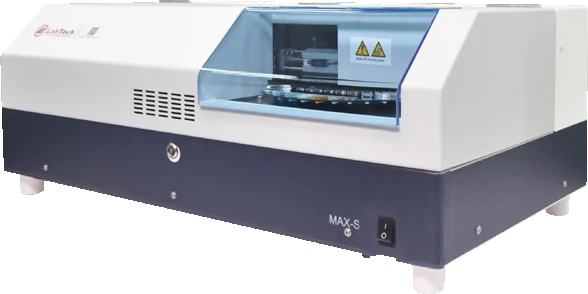
Mercury analysis without digestion, reagents or extractable losses.
Column and membrane SPE for small extracts and large water volumes.
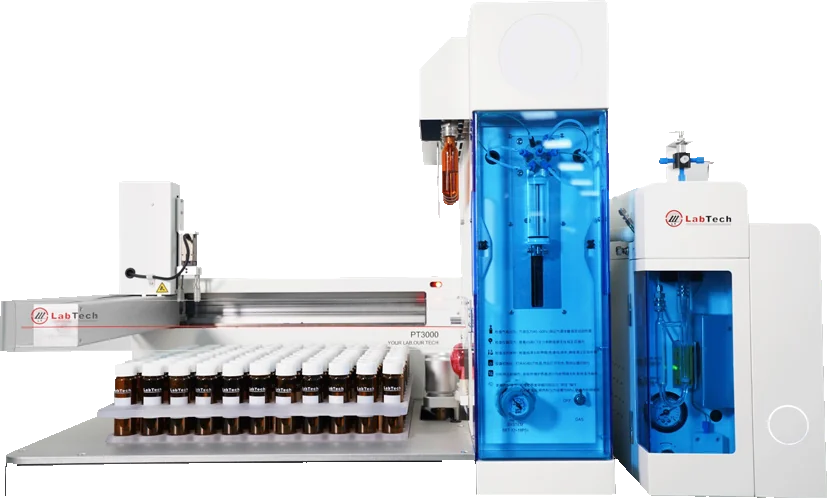
Pyrolysis, purge-and-trap and thermal desorption front ends for GC and GC-MS.
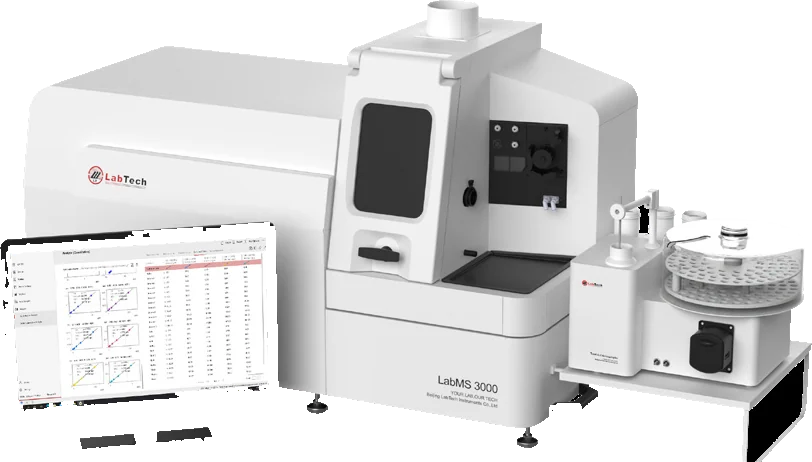
Single-quadrupole and triple-quadrupole trace-element analysis.
Send us the regulation and the limit
We map it to a LabTech configuration and tell you where the catalog stops short of your specification.