Materials, Geology & Mining
Ores, alloys, polymers, ceramics and refractory materials.
The workflow
Geological and materials samples are the ones that resist digestion: sulfides, graphite, silicon carbide, ceramics and refractory oxides. Complete dissolution is the difference between a result and a guess.
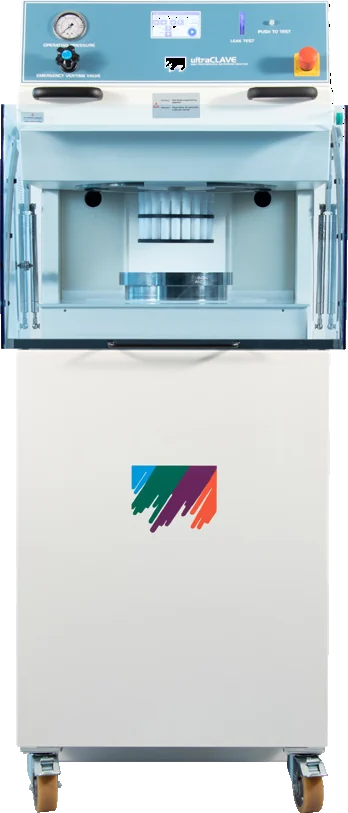
High-temperature, high-pressure single-chamber digestion is the core of the offering, supported by AAS and ICP-OES for major and minor elements, and pyrolysis GC-MS for polymer identification and additive analysis.
What makes it difficult
- Dissolving refractory and high-carbon matrices completely
- Handling large sample weights for heterogeneous ores
- Identifying polymer composition and additives without solvent extraction
- Keeping throughput up during exploration campaigns
Typical samples
Recommended systems
Microwave Digestion · Microwave Ashing & Extraction · Atomic Spectroscopy · GC Front-End Systems · Hot Plates & Digestion Blocks
Step by step
How the sample moves.
Digest
Single-chamber digestion at up to 300 °C and 200 bar, with sample weights up to several grams.
Microwave Digestion →Fuse or ash
Microwave ashing for organic-rich and carbonaceous samples before analysis.
Microwave Ashing & Extraction →Analyze
AAS and ICP-OES for major, minor and trace elements in ores and alloys.
Atomic Spectroscopy →Systems
Recommended for Materials, Geology & Mining.
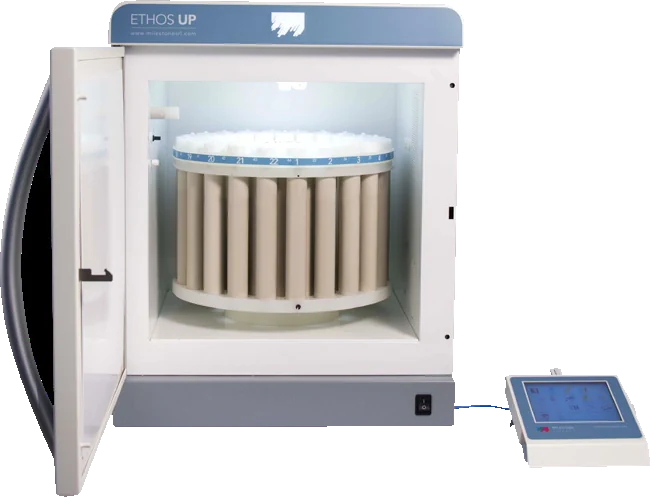
One pressurized chamber at 300 °C and 200 bar, with no vessel assembly.
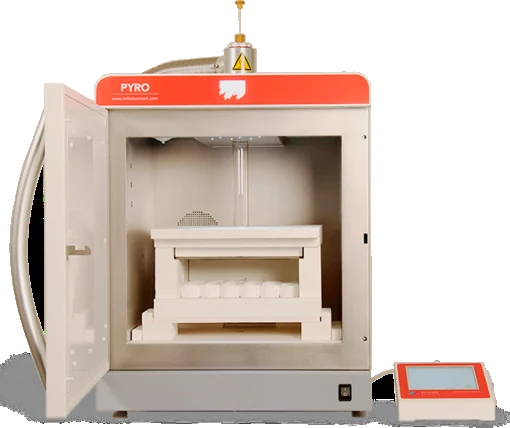
Ashing, fat determination and extraction on microwave platforms.
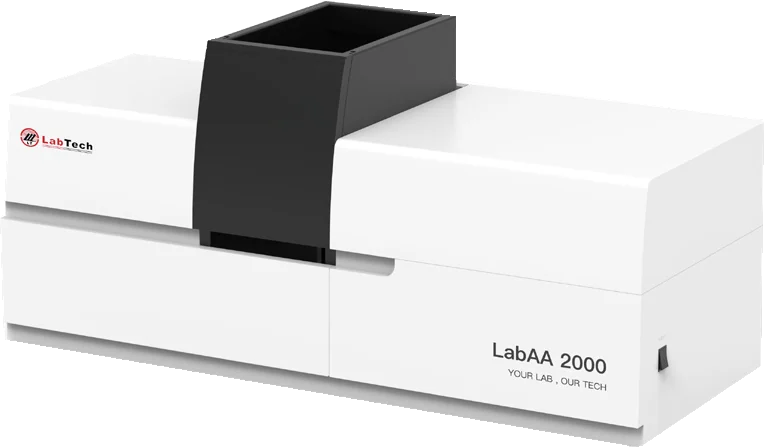
Flame, furnace, hydride and plasma atomic spectroscopy on one bench.
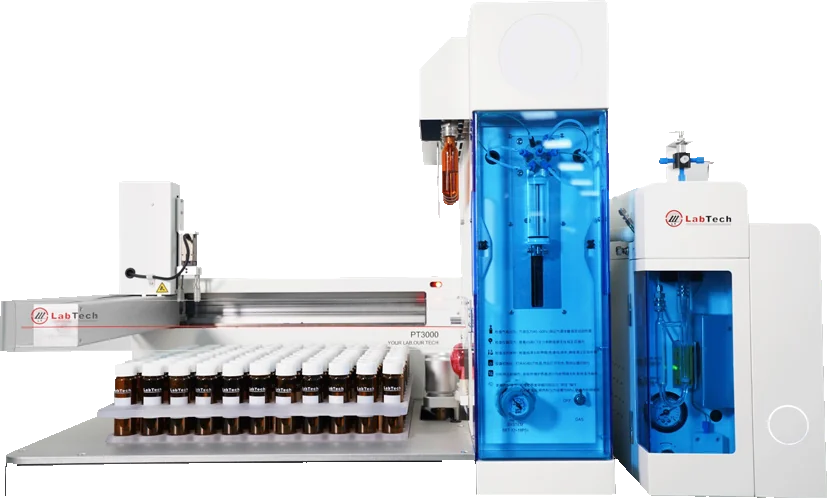
Pyrolysis, purge-and-trap and thermal desorption front ends for GC and GC-MS.
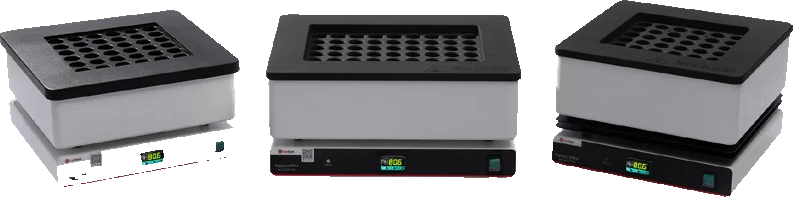
Corrosion-resistant heating surfaces, uniform block temperatures and unattended programs.
Send us the regulation and the limit
We map it to a LabTech configuration and tell you where the catalog stops short of your specification.