Microwave Synthesis Systems

Microwave synthesis from atmospheric reflux to 300 °C and 200 bar.

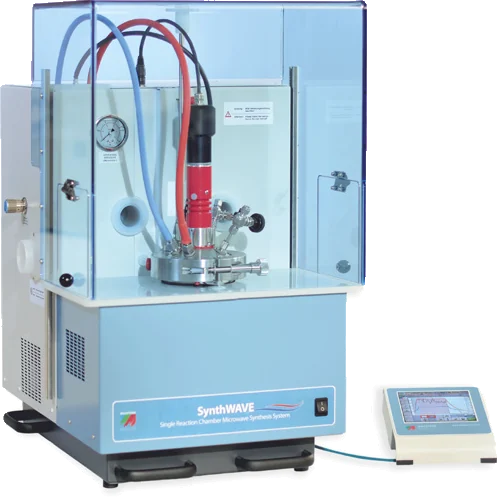
SynthWAVE microwave synthesis system

Inorganic Sample Preparation · 3 models

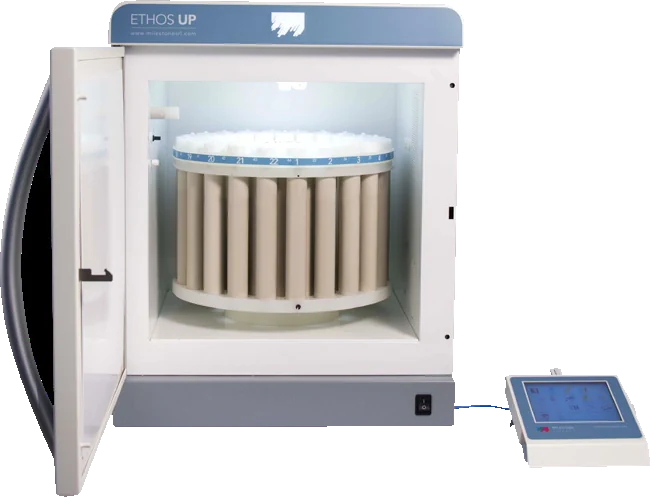
Microwave heating changes reaction screening because energy enters the mixture rather than the vessel wall. flexiWAVE uses that to run atmospheric reflux, high-pressure, solid-phase, micro-scale, parallel, gas-added, vacuum and high-temperature reactions on one platform, swapping reaction accessories instead of instruments. Work that took days or hours at the bench can be followed in minutes or seconds, with fewer by-products and less reagent consumed.

300 °C, 200 bar

SynthWAVE's stainless steel single reaction chamber operates at 300 °C and up to 200 bar.

Eight reaction modes

flexiWAVE covers atmospheric reflux, high pressure, solid phase, micro-scale, parallel, gas, vacuum and high-temperature work.

Ten parallel reactors

The parallel system runs ten independent reactors, each with its own temperature curve.

Online sampling

Samples can be drawn under high temperature and pressure for TLC, GC or HPLC checks.

Models

Choose the configuration.

SynthWAVE takes the same speed into a pre-pressurized single reaction chamber, where a stainless steel cavity holds 300 °C and 200 bar and gas connections support hydrogenation, oxidation and inert atmospheres. Because the chamber sets the conditions, samples of different type and volume react identically. The parallel synthesis system steps sideways into screening: ten independent reactors, each with its own temperature program, used for condition screening, solubility testing and polymorph work.

01

flexiWAVE

Multifunctional microwave synthesis platform

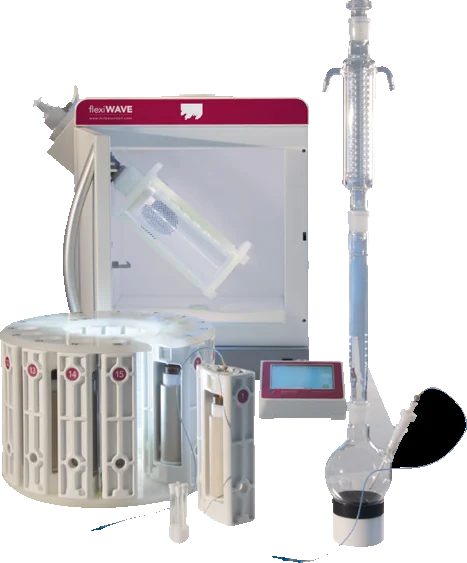
flexiWAVE is a single microwave platform that covers atmospheric reflux, high-pressure, solid-phase, micro-scale, parallel, gas-added, vacuum and high-temperature synthesis by changing reaction accessories. Full-vessel infrared and fiber-optic temperature control, built-in magnetic stirring and an angled rotating reactor extend it to solids, slurries and viscous media. It suits method development groups that need several synthesis modes without several instruments.

  • Atmospheric reflux, high-pressure, solid-phase and micro-scale synthesis on one platform
  • Also supports parallel, gas-added, vacuum and high-temperature reactions
  • Full-vessel infrared and high-precision fiber-optic temperature control
  • Built-in automatic magnetic stirring for more complete reaction
  • Angled rotating reactor handles solids, slurries and viscous media
  • Inert gas protection at atmospheric pressure or vacuum operation
  • Faster heating and cooling than conventional synthesis, with fewer by-products
Reaction modesAtmospheric reflux, high pressure, solid phase, micro-scale, parallel, gas-added, vacuum, high temperature
02

SynthWAVE

Pre-pressurized single-reaction-chamber microwave synthesizer

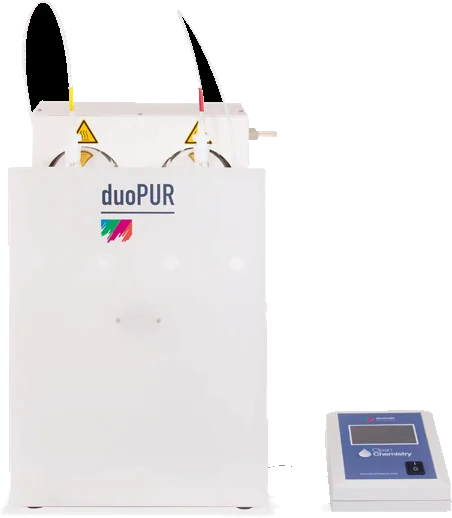
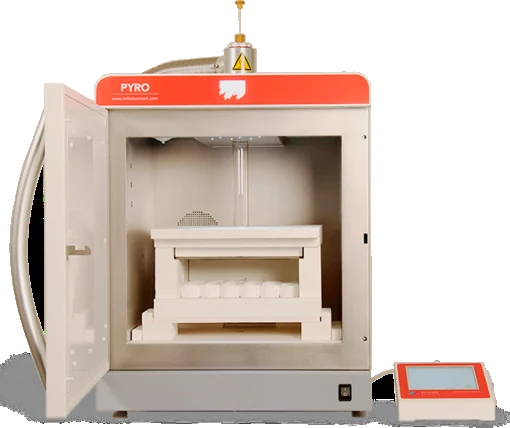
SynthWAVE applies pre-pressurized SRC single-reaction-chamber technology to synthesis. Because the chamber, not each vessel, sets the conditions, samples of different type and volume react identically, and one batch can compare different feeds, ratios and catalysts. Gas connections add inert atmosphere, hydrogen or oxygen for hydrogenation and oxidation, or carbon monoxide and carbon dioxide; online sampling allows TLC, GC or HPLC checks mid-run.

  • Pre-pressurized SRC single reaction chamber
  • Same conditions regardless of sample type or volume
  • Screen feeds, ratios and catalysts within one batch
  • Charge inert gas, hydrogen, oxygen, carbon monoxide or carbon dioxide
  • Online sampling at temperature and pressure for TLC, GC or HPLC
  • Mechanical and magnetic stirring for thorough mixing
  • Stainless steel cavity rated to 300 °C and 200 bar
Operating temperature300 °C
Operating pressure200 bar
Reaction cavityStainless steel
SoftwareMeets 21 CFR Part 11 requirements; tiered permissions and audit trail
03

Parallel Synthesis System

High-throughput parallel microwave synthesis system

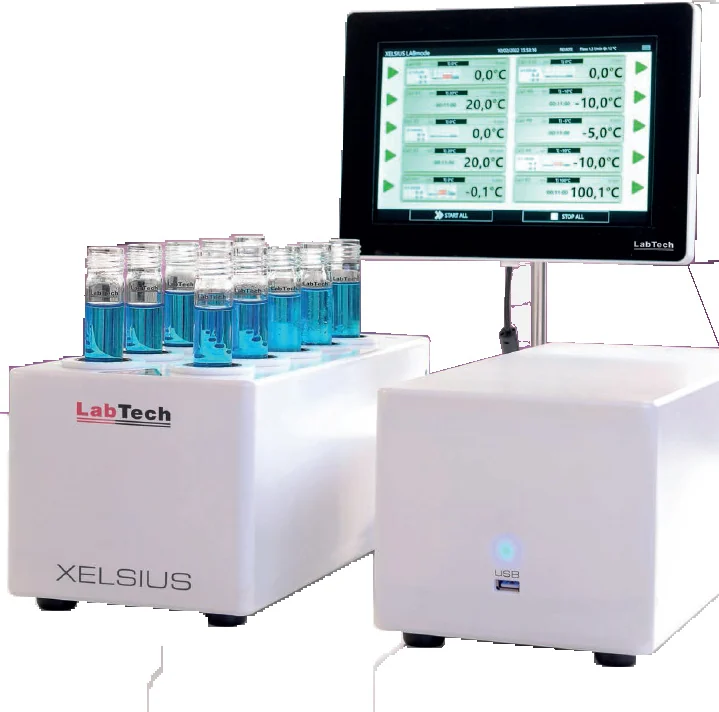
The high-throughput parallel synthesis system runs ten independent reactors in one instrument, each with its own temperature curve, with optional gas protection and magnetic stirring. It is built for parallel testing: reaction screening, solubility testing of drug compounds across solvents and temperatures, and polymorph studies with automatically controlled saturation temperature. Method editing is visual, and Peltier heating and cooling follow the programmed profile.

  • Ten independent reactors in one instrument
  • Individual temperature curves for each reactor
  • Gas protection and magnetic stirring accessories available
  • Peltier heating and cooling matched to the method
  • Visual method editing
  • Camera monitoring and an infrared turbidity probe
  • USB method import and export, plus LIMS connection
Reactors10 independent reactors
Temperature controlIndividual temperature curve per reactor

Full specifications for other configurations, voltages and options are available on request.

The range

Configurations and accessories.

Applications

Where this range is used.

  • Reaction condition screening with different feeds, ratios and catalysts
  • High-pressure synthesis of products not accessible at ambient pressure
  • Hydrogenation and oxidation with hydrogen or oxygen
  • Solubility testing of drug candidates across solvents and temperatures
  • Polymorph and crystal-form studies with controlled saturation temperature
  • Solid-phase, slurry and viscous-media synthesis in the rotating reactor

Questions

Before you buy.

What temperature and pressure does SynthWAVE reach?

The stainless steel reaction chamber operates at up to 300 °C and 200 bar. Because it is a pre-pressurized single reaction chamber, samples of different type and volume see the same conditions. Gas connections allow inert, hydrogen, oxygen, carbon monoxide or carbon dioxide atmospheres.

Can one microwave platform run atmospheric and high-pressure synthesis?

Yes. flexiWAVE changes reaction accessories to cover atmospheric reflux, high-pressure, solid-phase, micro-scale, parallel, gas-added, vacuum and high-temperature synthesis. An angled rotating reactor handles solids, slurries and viscous media, and temperature is controlled by full-vessel infrared or fiber-optic sensors.

How is the parallel synthesis system used for polymorph screening?

Ten independent reactors run ten temperature curves at once, with automatic control of saturation temperature. Gas protection and magnetic stirring are available as accessories, and a camera plus an infrared turbidity probe monitor the reaction. Methods can be moved over USB or connected to a LIMS.

Send the matrix and the limit

We reply in one working day with a configuration, the consumables it needs and a lead time.